.svg)


Hit Enter to Search or X to close
Why Michelin is Bad
The most famous restaurant guide, Michelin, started out as a simple way to make money. Over more than 100 years, since the launch of the «Red Guide», many things have changed, except for one: the usual desire to make money.
Why Michelin is Bad
The most famous restaurant guide, Michelin, started out as a simple way to make money. In 1900, tire manufacturers Michelin decided to create a guide that included road maps, addresses of gas stations, and tire repair shops. By 1920, the guide also began listing places where you could grab a bite on the road. This little booklet cost 7 francs. Over more than 100 years, since the launch of the «Red Guide», many things have changed, except for one: the usual desire to make money.
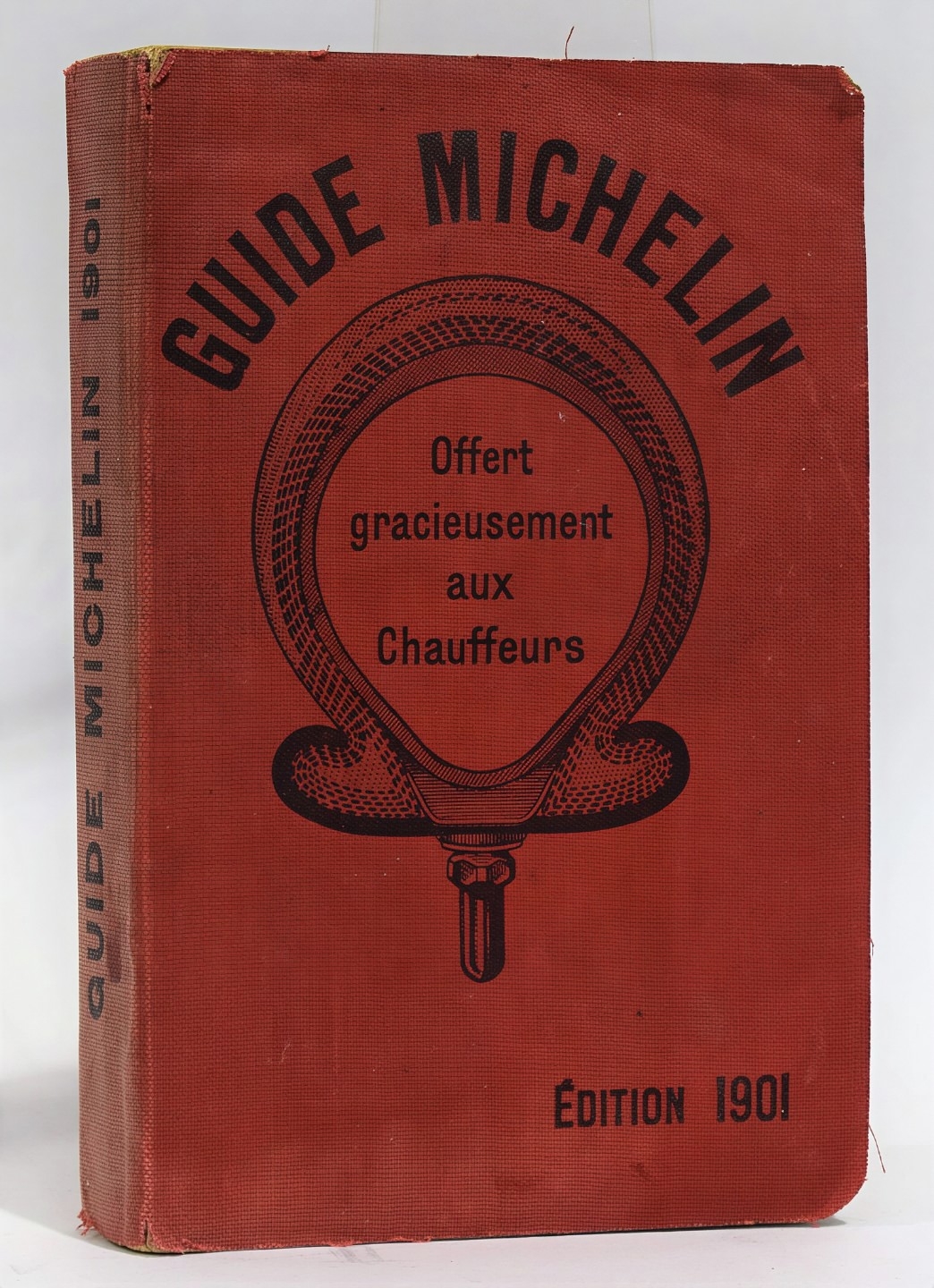
How to get into the Michelin guide?
Is it about being a great restaurant? Gaining respect among foodies and other chefs? Pushing the boundaries of gastronomy? Not quite – first and foremost, someone needs to pay Michelin so it can begin operating in a particular city. Formally, the money goes toward operational expenses, inspector work (more on that later), and other costs. The sums requested by the guide representatives vary from city to city, but they usually run into several million euros/dollars. Michelin won’t just show up in a city or country with truly great restaurants unless the market pays for it.
Want an example? In recent years, Lima, Peru, has become one of the main trendsetters in the restaurant world. Central by Virgilio Martínez was ranked #1 in last year's The World's 50 Best Restaurants, and Maido, Mayta, Kjolle, and even Astrid y Gastón are also in the top ranks. Can you guess how many Michelin-starred restaurants there are in Peru? That's right: zero. Because nobody has ever paid to bring Michelin there.
Typically, the Ministry of Tourism is the one that funds Michelin’s work. So, when you hear that «Michelin has finally come to city X or country Y», it’s not just because the place suddenly became worthy – it means Michelin has struck a deal with the Ministry of Tourism.

Next: Michelin's extreme secrecy
Michelin is highly secretive and opaque. You won’t find evaluation criteria, reports confirming whether inspectors actually visited restaurants at all, or a list of the experts responsible for the ratings – nothing. It’s all «trade secrets». The owners of the guide only tell us that «inspectors visit restaurants incognito» and that they «meet our highest standards». Who these people are, and whether they actually visit restaurants, is anyone’s guess.
The only thing that sheds some light on the whole process is the 2004 book The Inspector Sits at the Table by Pascal Remy. In it, a person who worked as a Michelin inspector for 16 years shares some insights. In short: inspectors don't undergo any training, most restaurants are checked once every 2–3 years, as there are desperately few inspectors – at the time, there were no more than 70 in all of Europe. Of course, the situation may have changed in the last 20 years, but given the guide's opacity, we may never know. But logic suggests that if you can earn several million euros per city and don’t have to report to anyone, there’s little incentive to change anything.
Michelin’s greatest strength – besides its prestigious name – is its marketing
There’s plenty of it, and it’s controversial. Most of the fame comes from the work of the director of international development, Gwendaël Pullenec, who not only works on expanding the guide into new countries but also ensures it becomes the talk of the town. The process is simple: enter a new city and do something that will be discussed for the next year. Want to make a splash in the Asian market, where Michelin isn’t present yet? Well, let’s write a guide to Tokyo and make it the world record-holder for the most Michelin stars. All other Southeast Asian countries will line up (spoiler: they did). Entered Hong Kong? Sure, let’s give a star to a dim sum restaurant where you can eat for just $10, and all the world’s newspapers will write about it – cheap Michelin, wow. Alright, Tim Ho Wan is cool, and its chef left a three-star restaurant to run it, but then they followed the same path when launching guides in Singapore (Hawker Chan, with one star and $2.50 dishes, located in a food court) and Bangkok (street food spot Jay Fai, a quirky old woman in motorcycle goggles, also got a star).
.jpg)
Not all of Michelin’s marketing revolves around awarding stars; sometimes the wow factor comes from doing exactly the opposite. The most telling example is the saga of Noma. René Redzepi’s famous restaurant was the subject of worldwide discussion, New Nordic Cuisine took the world by storm, and in 2010, 2011, 2012, and 2014, Noma was named the best restaurant in the world by The World's 50 Best Restaurants, with René becoming one of the most influential chefs on the planet. What did Michelin do?
That's right: they didn't award it any stars until 2008, when it finally received two. Then, for 12 (!) years in a row, they didn’t give it the third star. For the best restaurant in the world at the time. During the first five years, everyone expected the third star and discussed it before every ceremony, convinced that «this would finally be the year». After ten years, theories and conspiracy theories started to emerge. Eventually, it became a meme of its own, and once the hype had died down, Michelin finally awarded René his long-awaited third star.
.jpg)
It seems that Warsaw may have followed a similar path. One of Poland’s most acclaimed fine dining restaurants, Epoka, has repeatedly failed to receive a Michelin star. After every announcement, the topic dominates discussions for months, building anticipation for the next ceremony.
M for Marketing.

.svg)


.jpg)


Get weekly updates
*We’ll never share your details.
Follow us — @biteme.warsaw

.jpg)
.jpg)
.jpg)
.jpg)
.svg)
Join Our Newsletter
Get a weekly selection of curated articles from our editorial team.