.svg)


Hit Enter to Search or X to close
Nów – A New Fine Dining Restaurant from the Team Behind Wandal
Modern Polish cuisine, bold experimentation, and a breath of fresh air for Warsaw's restaurant scene
Nów – A New Fine Dining Restaurant from the Team Behind Wandal
It feels like a new fine dining restaurant in Warsaw has never opened this spectacularly before. A veil of secrecy. Information leaking out in carefully measured doses. Barely ten days between the announcement and the official opening.
Only one group of people could have pulled this off, of course: the rebels behind Wandal – a team that has always done everything on its own terms, never looking over its shoulder and never afraid to break conventions. And for Warsaw, Nów really does feel like a breath of something new.
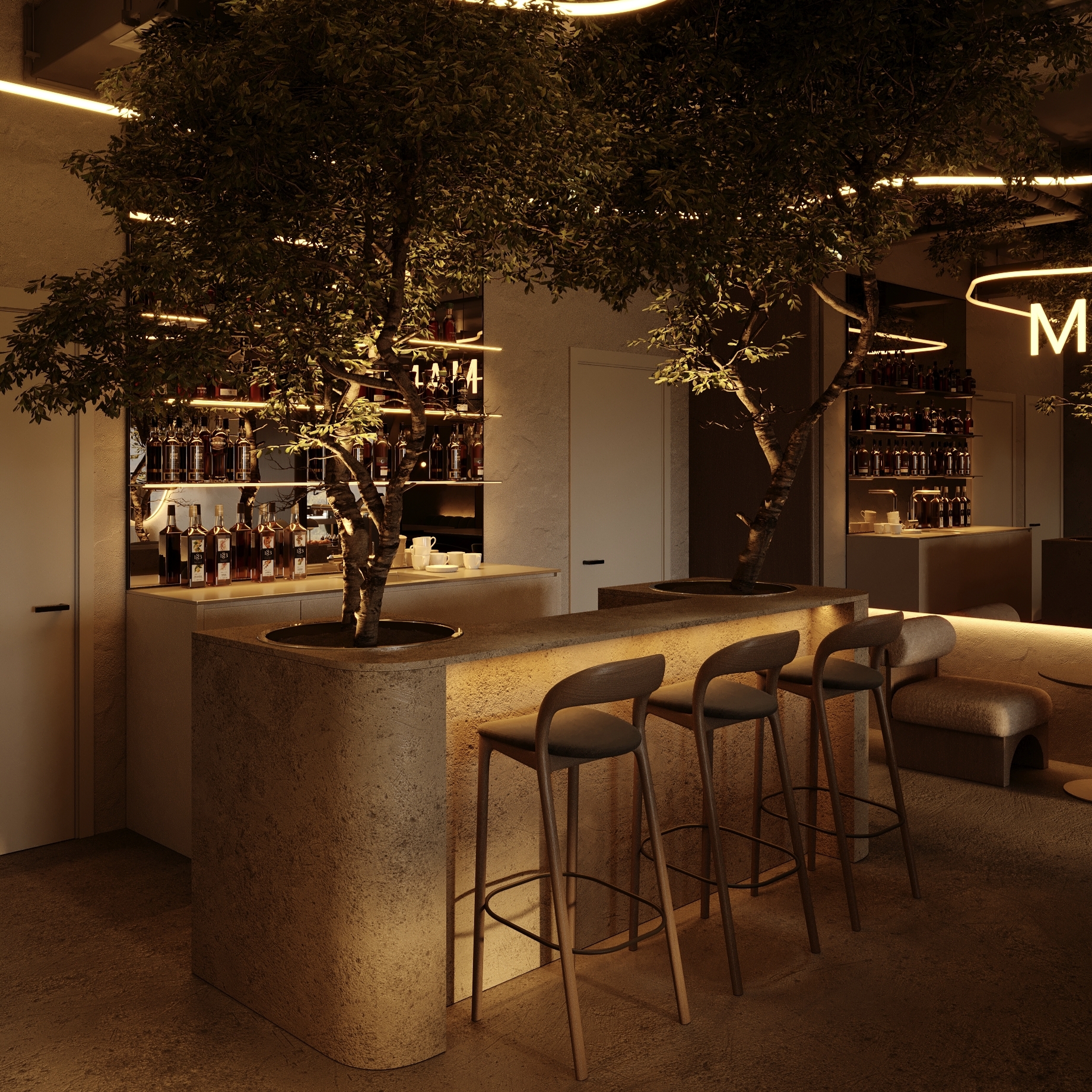
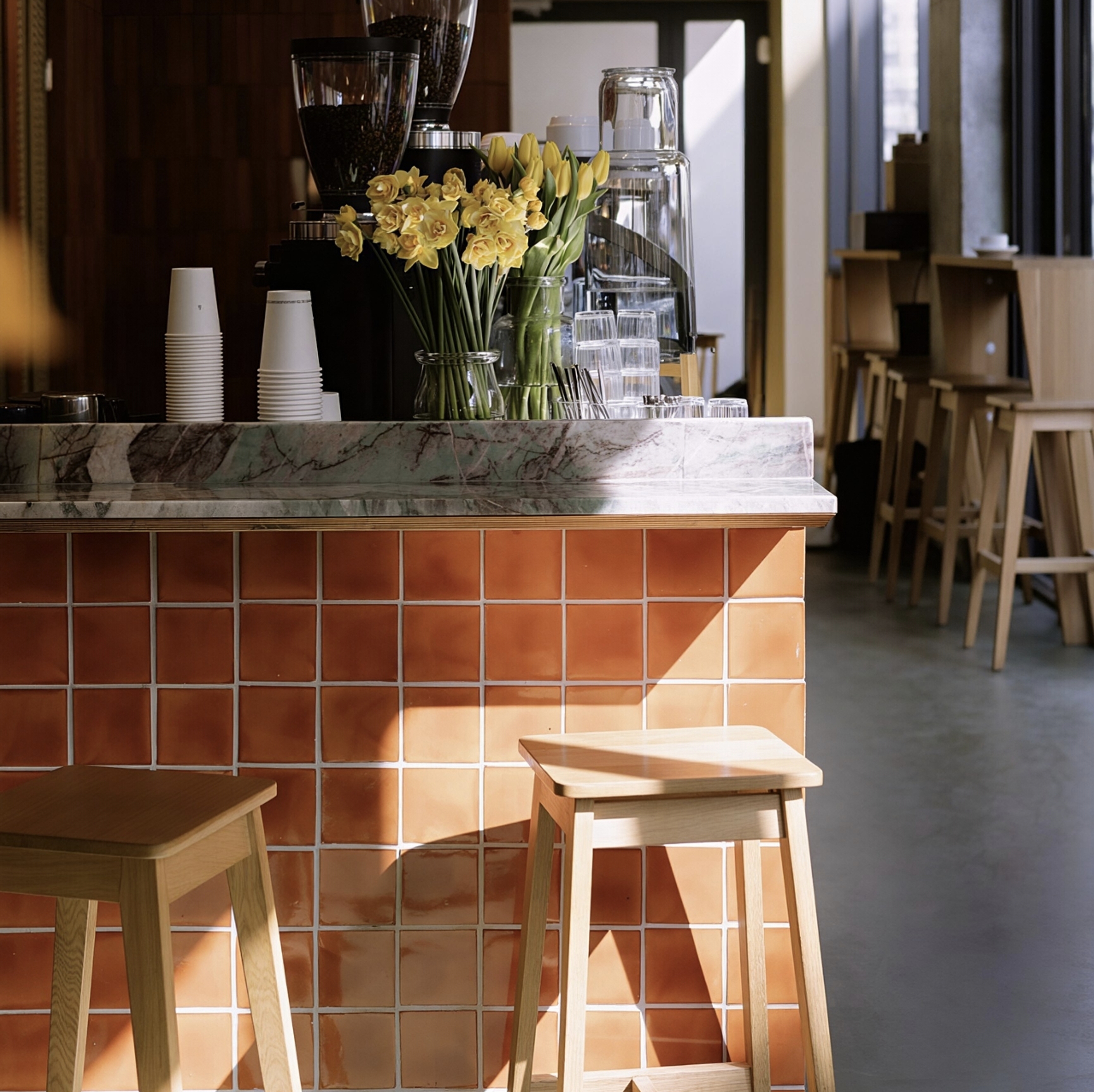
Nów is one hundred percent fine dining: refined, elegant, intelligent, and unbelievably beautiful. Just like with Wandal, the interior was designed by Michał Jagiełło Studio – and the result is genuinely mesmerizing: curves and cut-outs in dark wood, layered textures, strangely primal paintings, fabrics, concrete, candles – hell, even the ambient soundtrack – all of it merges into a truly unique space.

At the same time, it clearly plays on a color contrast with Wandal, somehow managing to highlight the interiors of both restaurants even more.
The first and most important feeling here is a sense of belonging. To a moment, an idea, an experience – all at once. You walk past the open kitchen, and every chef greets you; welcome to the club.
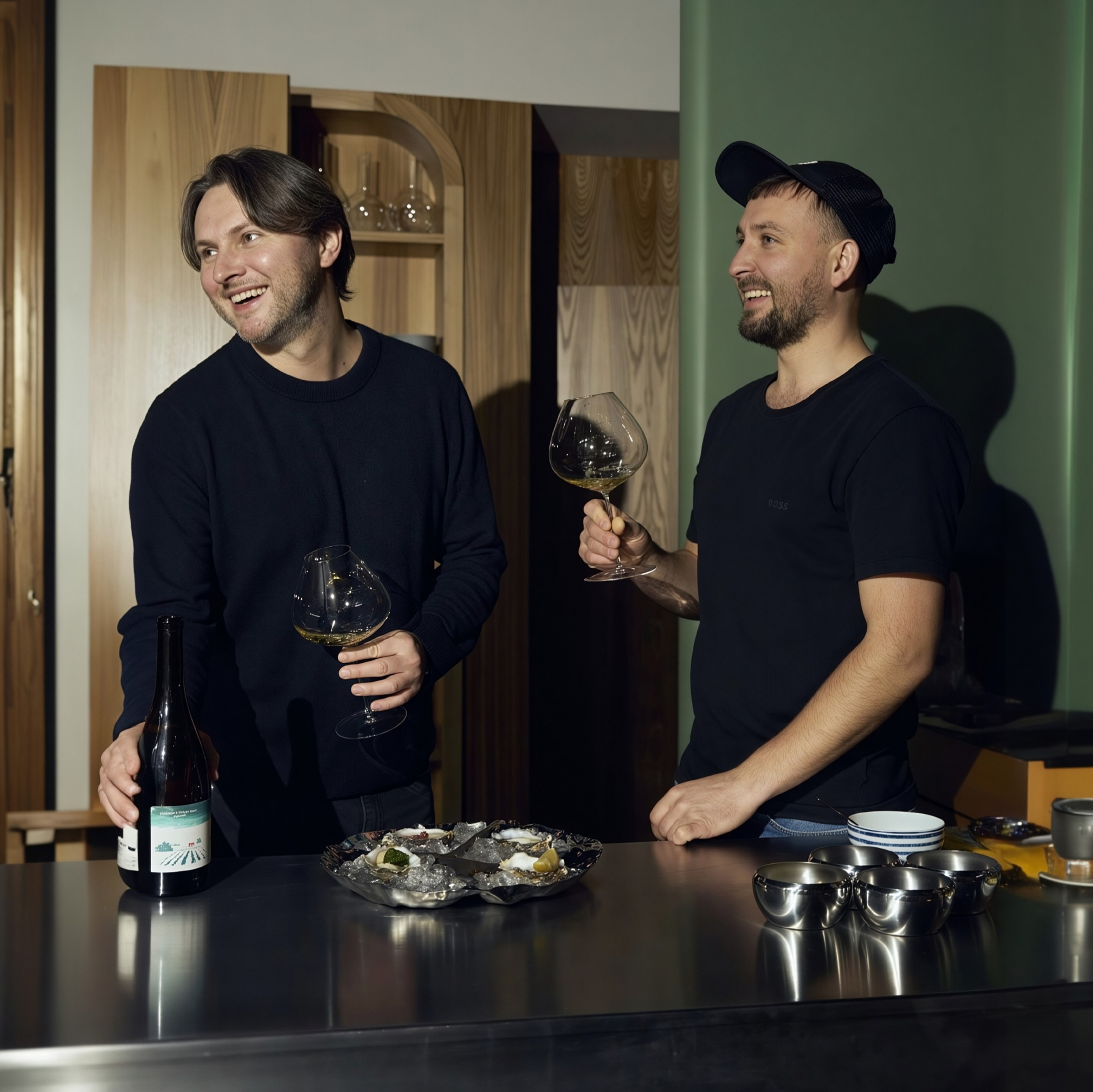
At Nów, there is no «your» waiter or «your» sommelier – the team constantly rotates, and sooner or later you interact with everyone, from bussers to the owners themselves.
And it’s especially nice that dishes are presented not only by the chef (though, of course, Adrian Bęben remains central to the whole story), but by the entire kitchen team. You probably already know sous-chef Piotr Komorski from Epicurien Deli, while the newer faces – at least for me – were Kuba Jakubiak and Jędrzej Krzemiński.
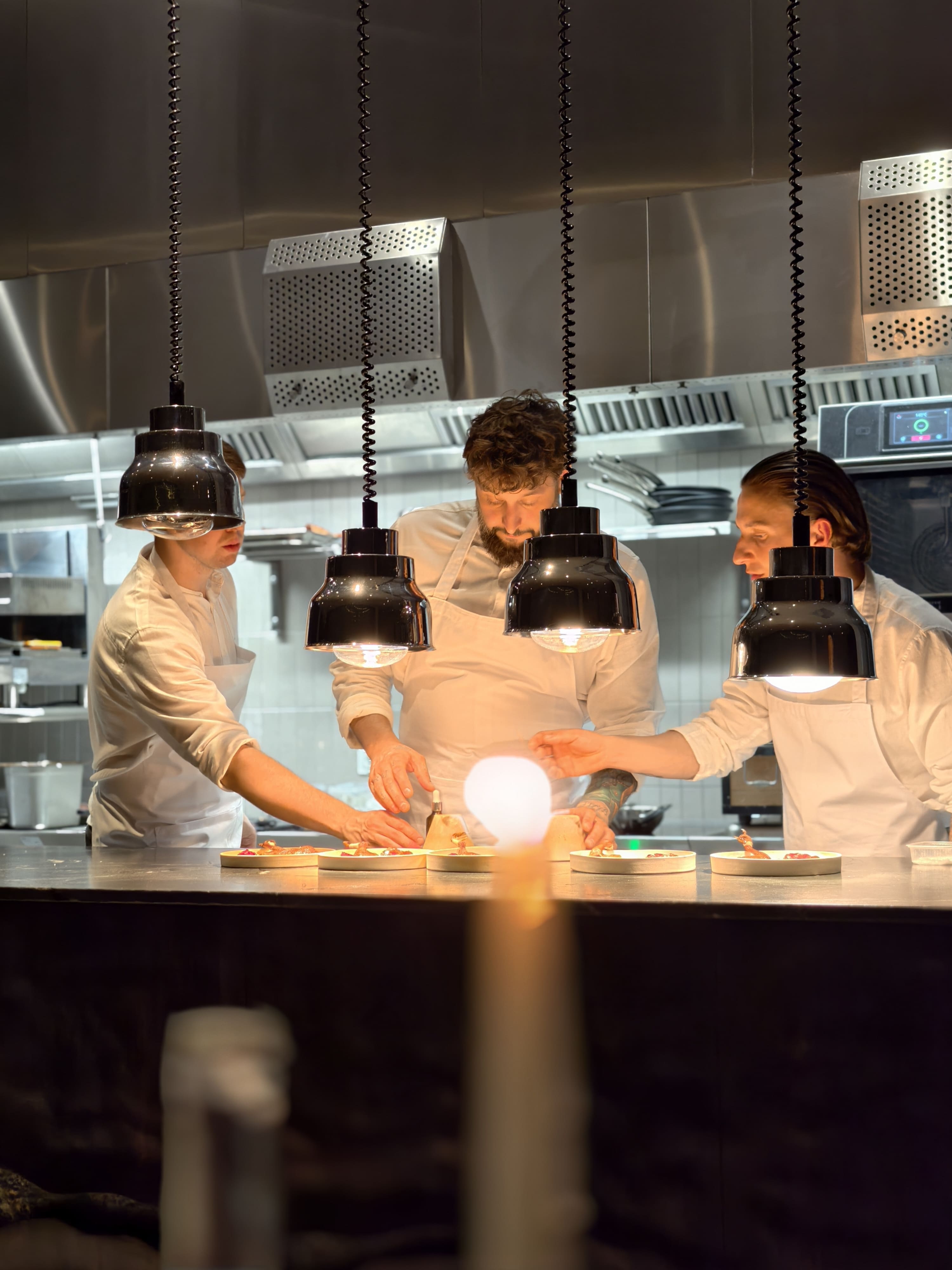
It feels like the main idea behind Nów is not simply to showcase the beauty of Polish terroir, but to do so metaphorically as well – using culinary techniques to go beyond taste and intellect, digging just a little bit deeper.
The amuse-bouches are probably the best example of what I mean.
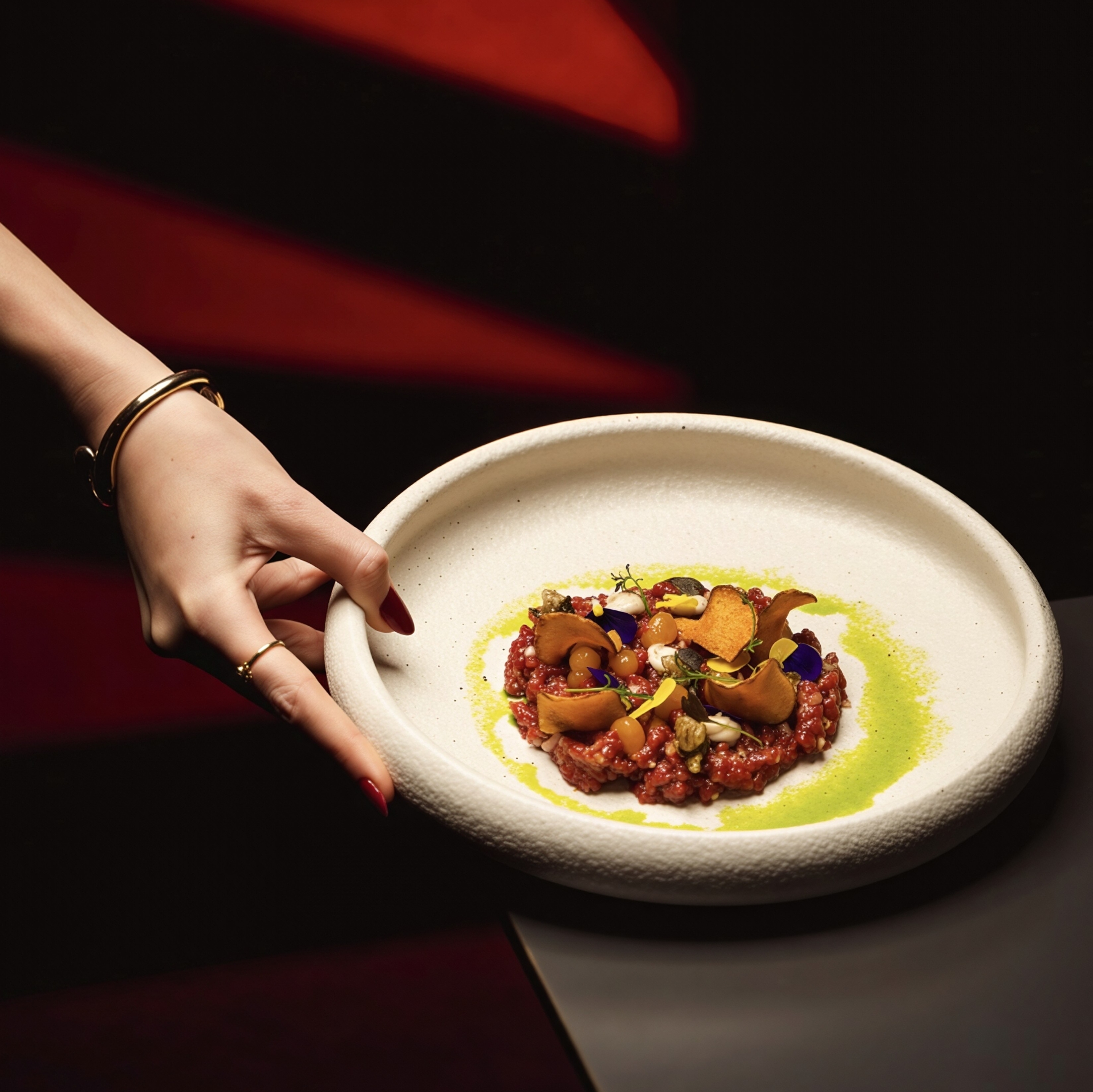
The pierogi with cabbage and mushrooms were literally turned inside out: the cabbage and mushrooms became the dough, while the dough itself was placed inside as the filling. Piercingly precise, playful, and very Polish.
A vegetable skewer, where part of the vegetables are pickled, another part dehydrated and then rehydrated again, becomes a fascinating story that blends not only different seasons, but even different years.
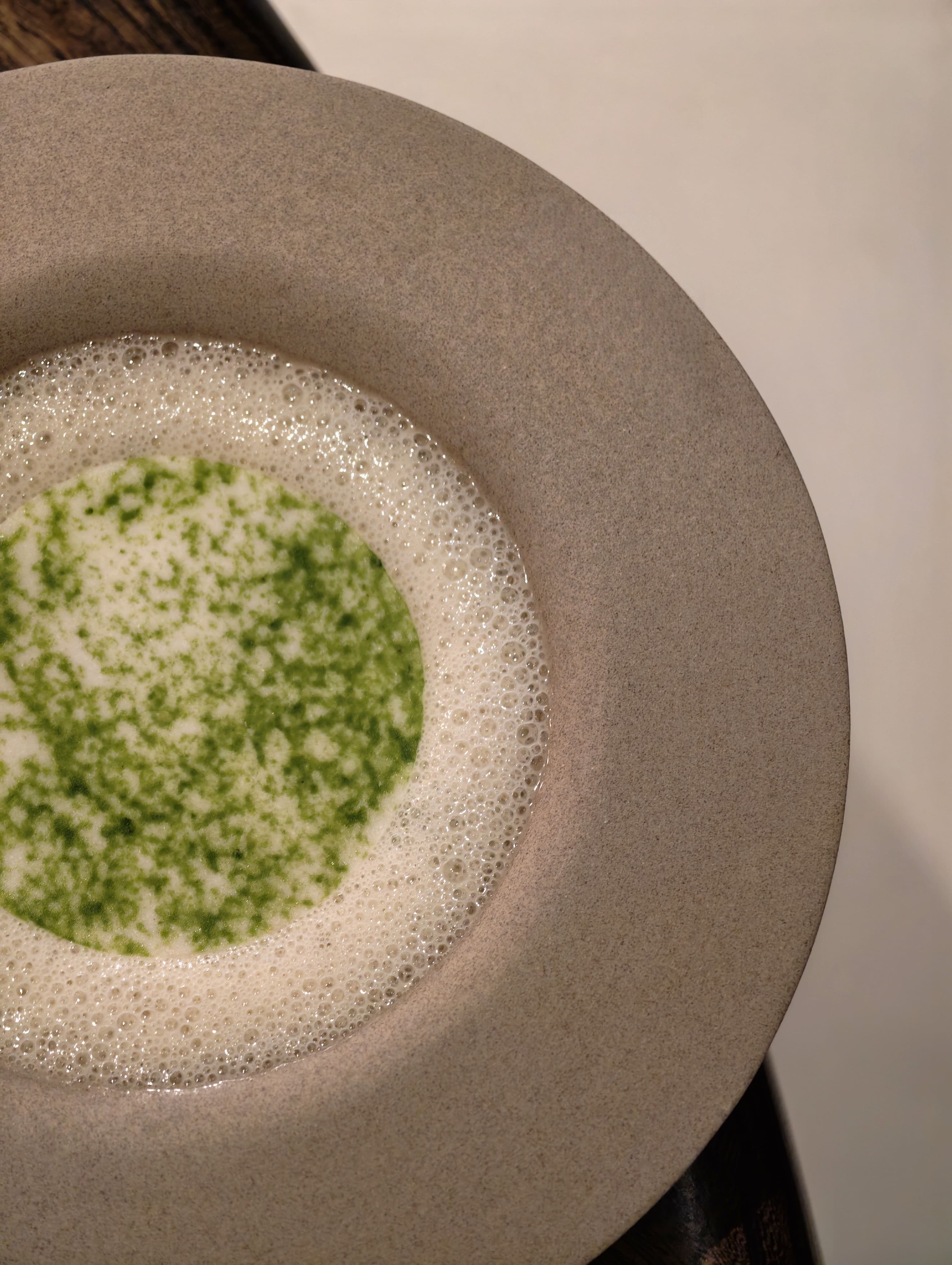

Oat arancini with wild duck breast and two kinds of apple – fermented and blackened – capture the essence of the Polish forest itself: game, undergrowth, rain, and sour berries. Insanely good. And then there’s the tartlet with catfish aged for two months, honey, and flowers – a beautiful final touch.
Young one-day cheese with radish, strawberries, broad beans, cucumber, zucchini, and magnolia flowers is Polish spring at its absolute peak.
The trout with white asparagus sounds slightly overcomplicated on paper. Kombu with sea tea, black lemon aged for three months at 60 degrees, then dried and ground into powder, wild elderflower vinaigrette, almond oil. In reality, though, this is an absolutely god-tier starter: powerful, layered, fresh, evoking memories of lighting a bonfire on the bank of a river. A Polish river, naturally.
Peas charred on the grill with morels and goat cheese become a clever and highly technical play on textures and temperatures. And this is where we move into the mains.
Dry-aged pike-perch, a stunning sauce based on peas fermented with koji, lightly torched mushrooms glazed with salted mushrooms (an incredible joke!), and brioche – this is purity of flavor and product pushed to the absolute limit. An absolute must for lovers of white fish.
The pigeon is served in true zero-waste fashion, almost whole – leg with claws, breast, heart – alongside an intensely powerful blackcurrant sauce, blackcurrant-pickled cabbage, and eel. First of all, it’s beautiful. Second – incredibly striking.

The desserts at Nów, however, are absolutely mind-blowing and probably one of the best endings to a dinner anywhere in Poland.
White poppy seed ice cream with black caviar and fish caramel is simply a perfect combination and Poland’s best response to Heston Blumenthal’s famous pairing of white chocolate and caviar. Everything works flawlessly here – from temperatures to flavors. And visually? Ridiculously beautiful.
The «Marcinek» dessert from Podlasie is assembled from caramelized milk foams layered with homemade ricotta and rhubarb kissel; for contrast – rhubarb sorbet and rhubarb in two forms: fresh and caramelized.
Petit fours: jelly inspired by a Polish Negroni, apple in two textures, an absolutely stunning reinterpretation of WZ cake with apricot kernel cream and a cherry–dark chocolate glaze, plus a «krówka» candy with fermented apple.
All of this is paired with a drink made from roasted koji, reminiscent of fermented cacao.

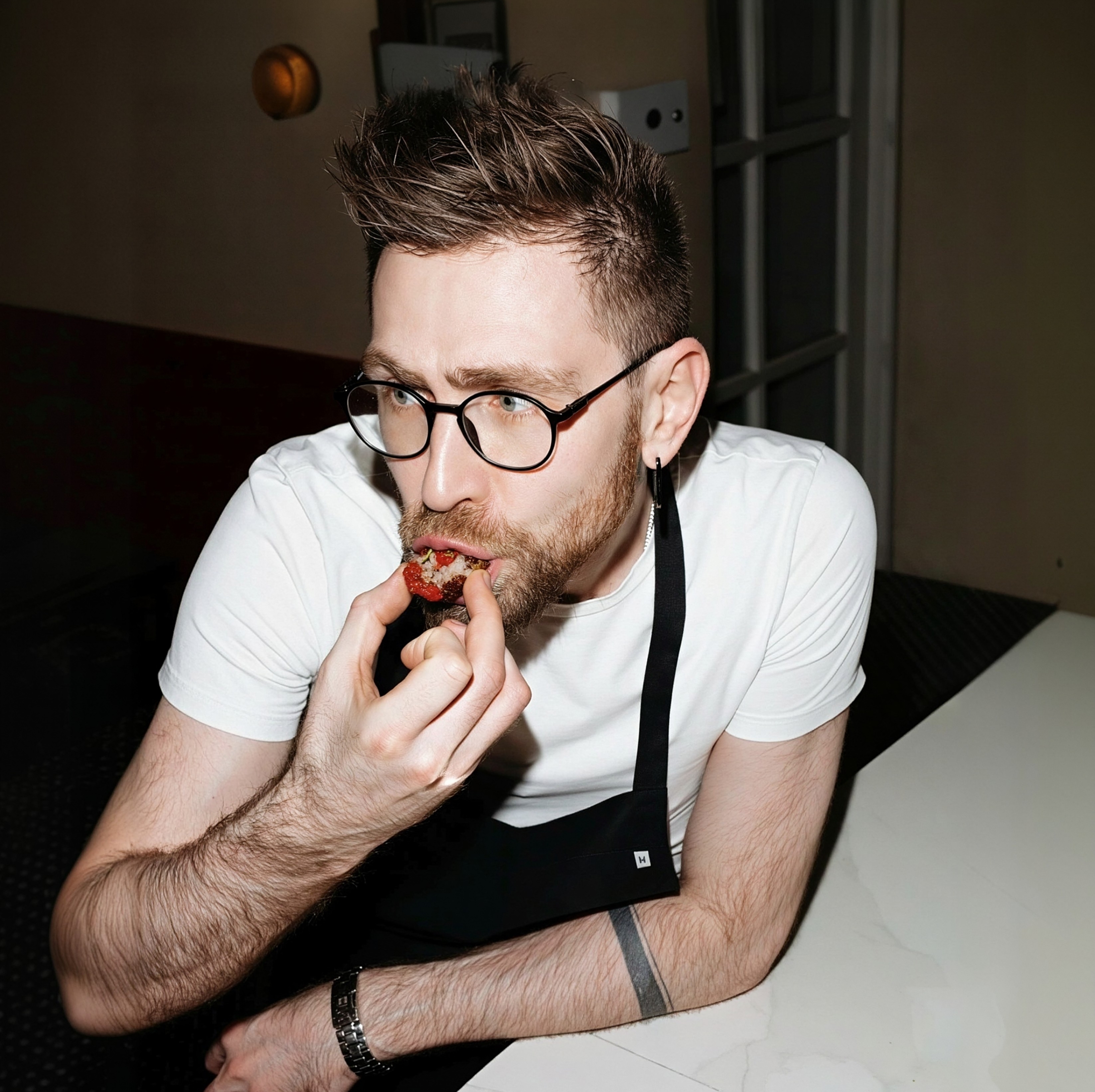
And this same «cacao» was being drunk at the counter by both the chefs and the owners together with the guests – for some, dinner had just ended; for others, the shift was over. And that creates a wonderful sense of unity, blurring the line between guests and kitchen.
Because, as is often the case with truly great fine dining restaurants, this kind of gastronomic experience becomes something far bigger than just food. It’s about impressions, emotions, and a better understanding of yourself.
.svg)


.jpg)

Get weekly updates
*We’ll never share your details.
Follow us — @biteme.warsaw

.jpg)
.jpg)
.jpg)
.jpg)
.svg)
Join Our Newsletter
Get a weekly selection of curated articles from our editorial team.