

Hit Enter to Search or X to close
Baba – Poland’s Most Important Neo-Bistro
Exceptionally clever food, Polish twists, seasonality, and a Michelin star that is thoroughly deserved
Baba – Poland’s Most Important Neo-Bistro
Baba in Wrocław is one of the most important restaurants in Poland, full stop.
Its significance goes far beyond the fact that the food here comes close to genius or that Beata Śniechowska is the first Polish female chef to receive a Michelin star.
More importantly, it has helped show that Michelin stars in Poland can go to cool, vibrant neo-bistros, not just fine dining restaurants that cost a gazillion.
The lack of pretension and the clever, deeply honest food are exactly what move the industry forward simply by setting an example. And that’s genuinely impressive!
The first thing you realise, even before stepping inside Baba, is that this place plays by its own rules.
Outside the entrance, there’s a Michelin Guide star plaque, knives from The Best Chef Awards, and a «Muala» sticker from Książulo. And, damn, I can’t think of a better way to show just how universally respected this «Baba» is – from gastronomy professionals to devotees of Poland’s biggest kebab blogger.
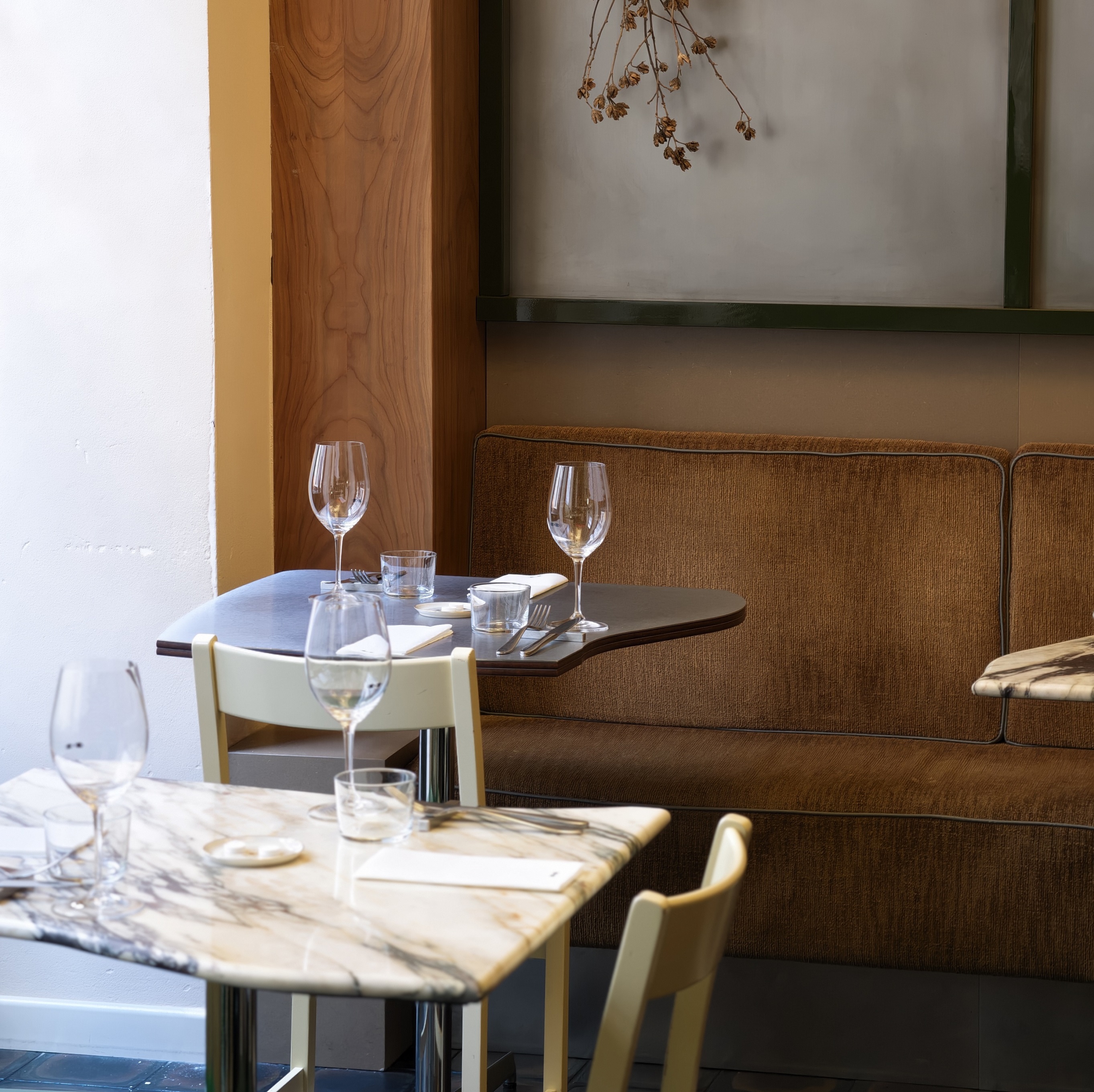
Inside, it’s all colour, style, and absolute grandeur. Metal, marble, works by contemporary Polish artists, a huge green dresser, floor tiles that look exactly like glass bricks, funny little curtains, and vintage cups – it all seems to capture the essence of modern Poland. Distinctive, yet diverse. Shaped by influences from other countries, but drawing inspiration from its roots.
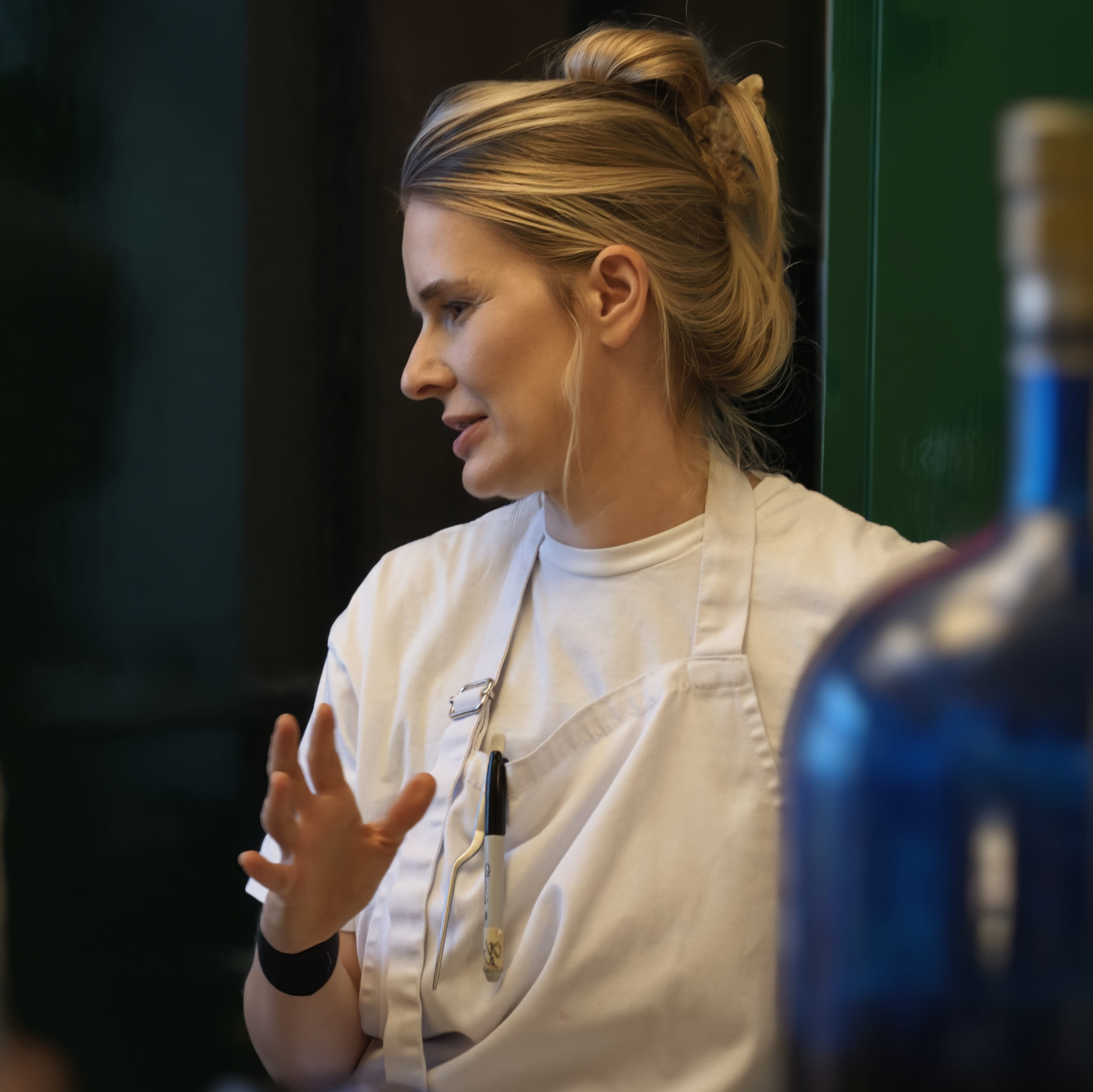
The same approach informs the cooking. Beata Śniechowska masterfully mixes Polish traditions with modern techniques, authenticity with innovation, comforting food with completely unexpected ideas. And Poland with the rest of the world.
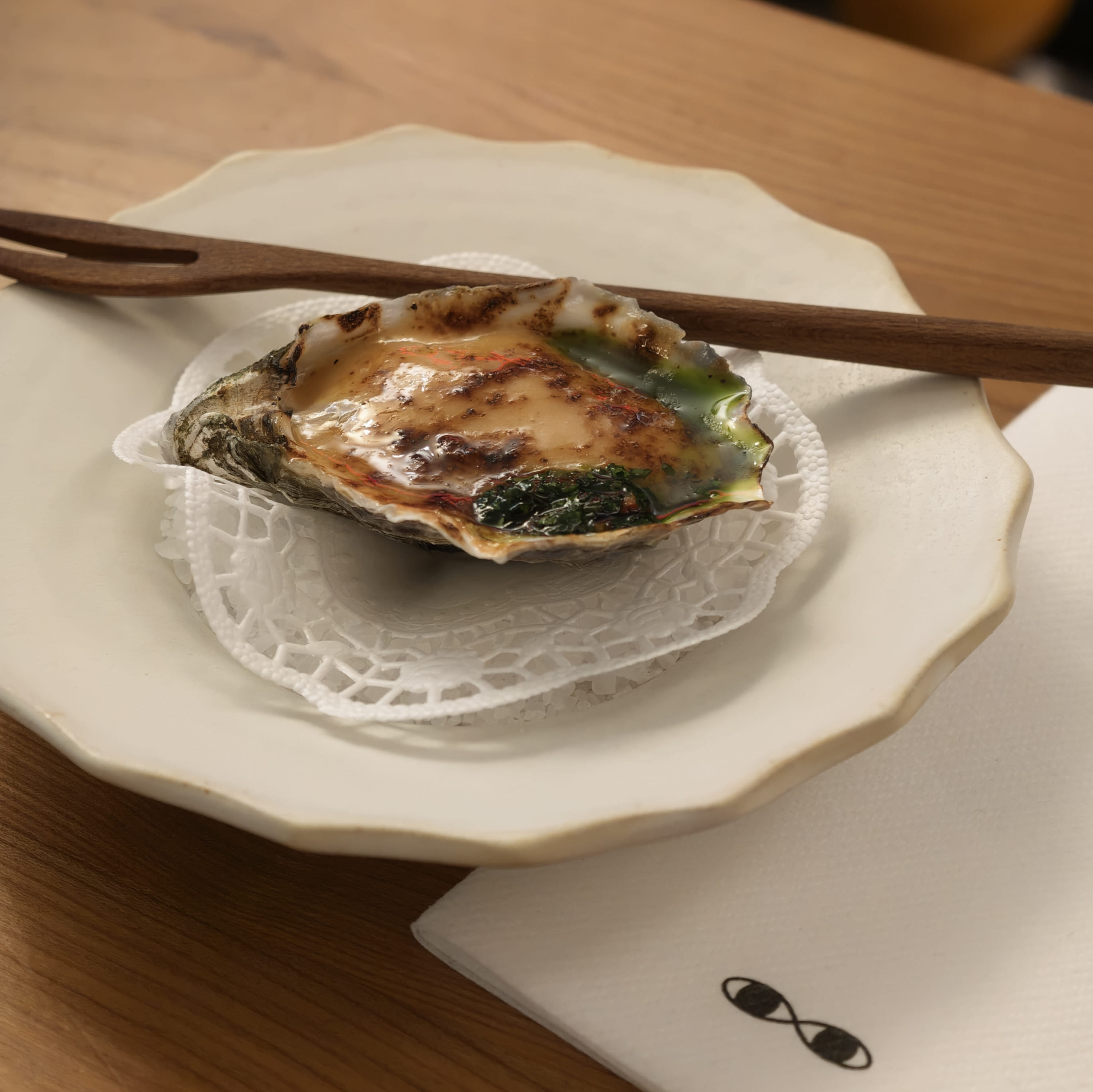
How do you serve a French oyster (34 PLN) with a distinctly Polish twist? No problem – spend two days reducing chicken stock, make a lovage chimichurri, and you get an absolutely brilliant starter, packed with umami and bold ideas, and guaranteed to stick in the memory of everyone who tries it.
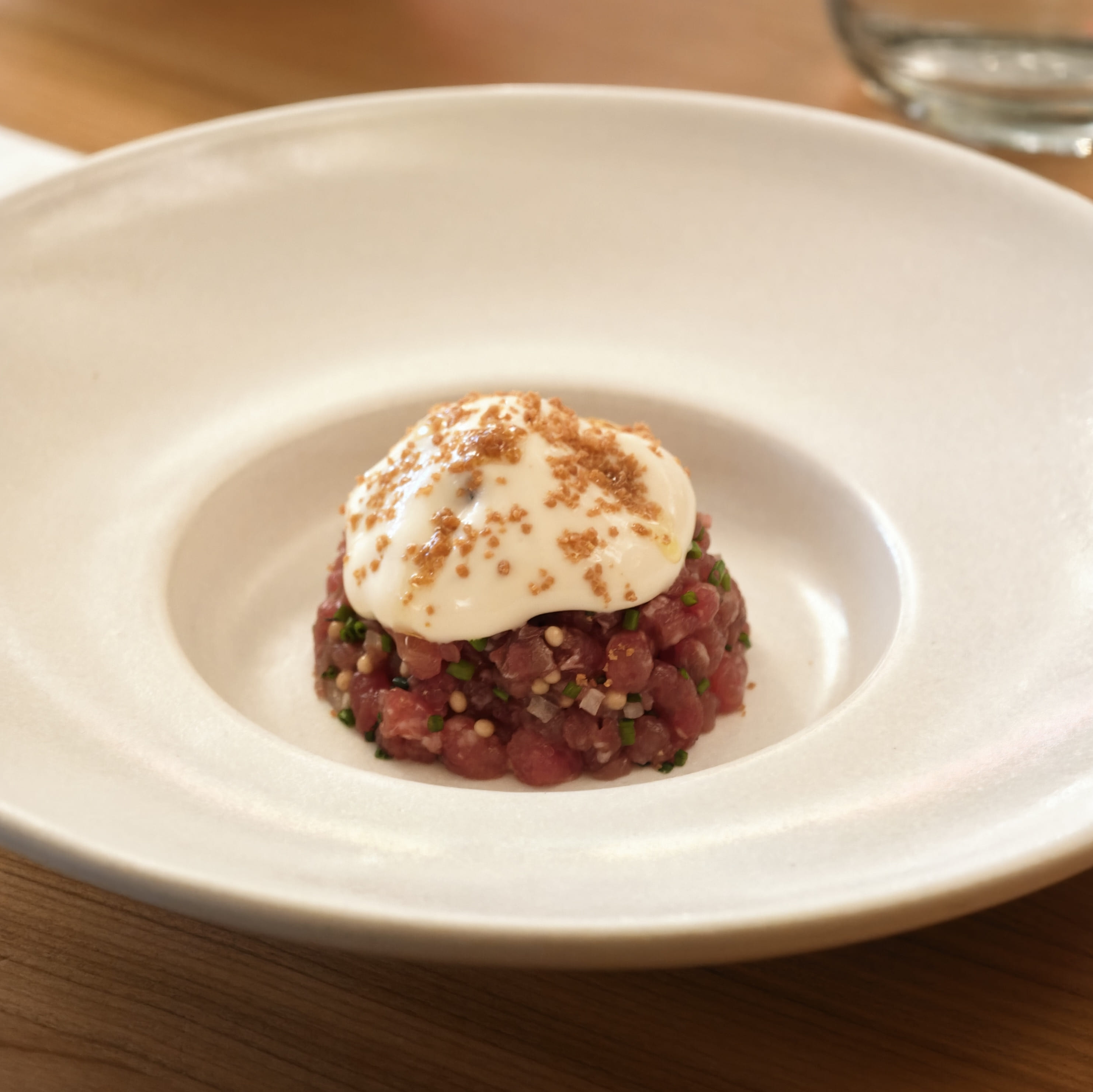
The tartare with yeast emulsion (69 PLN) is practically made to be paired with sourdough bread – conceptually, in terms of how it tastes, and as a subtle little joke. Excellent Polish beef, mustard seeds, shallots, and chives – what else could you possibly need? The correct answer is «Nothing. It’s already perfect».
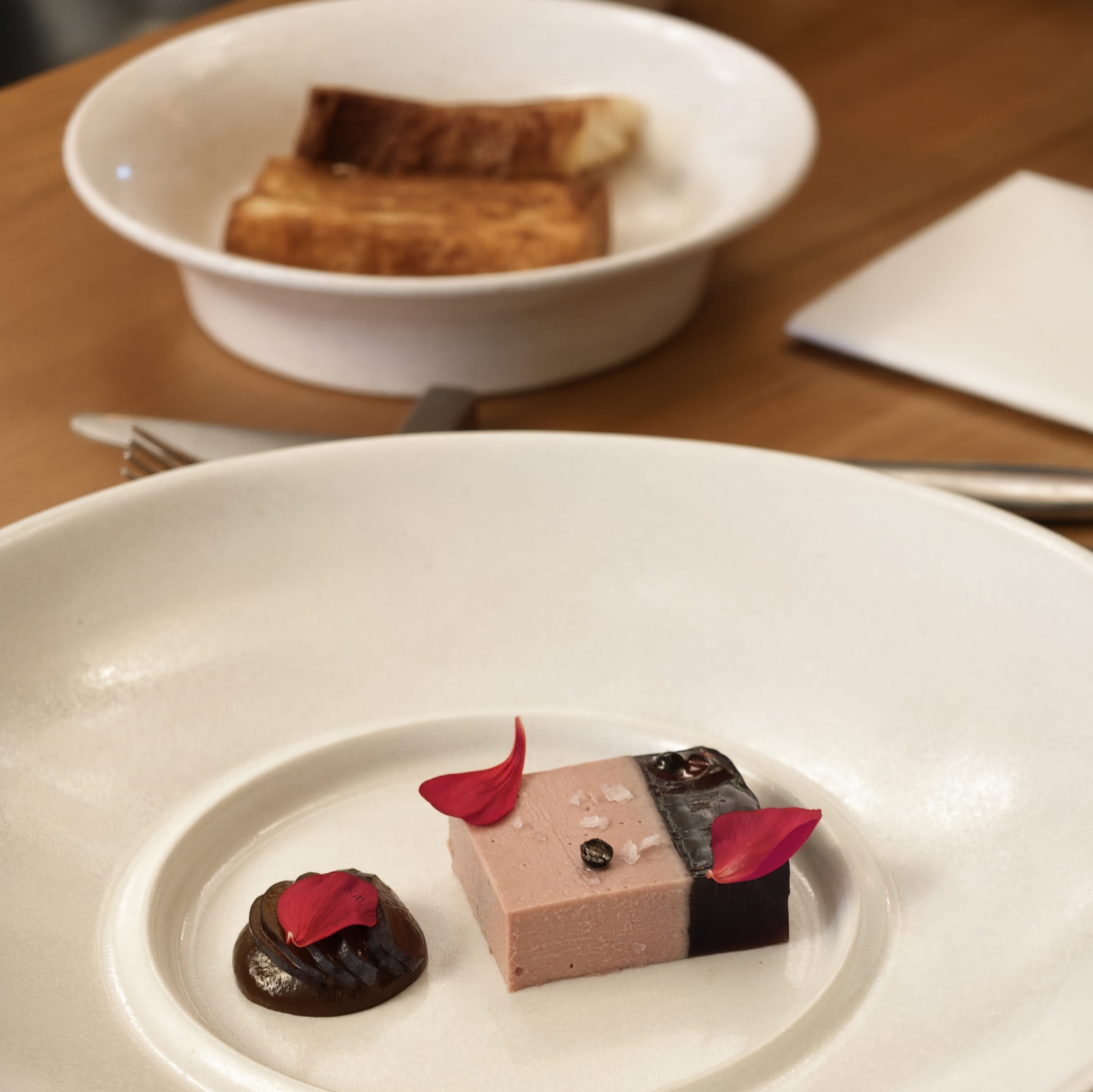
The chicken liver pâté (42 PLN), of course, also comes with seasonal Polish touches – plums, in this case. There’s also delicate port wine jelly, milk bread, and a slightly spicy smoked paprika coulis. Together, it comes close to the ideal everyday dish.
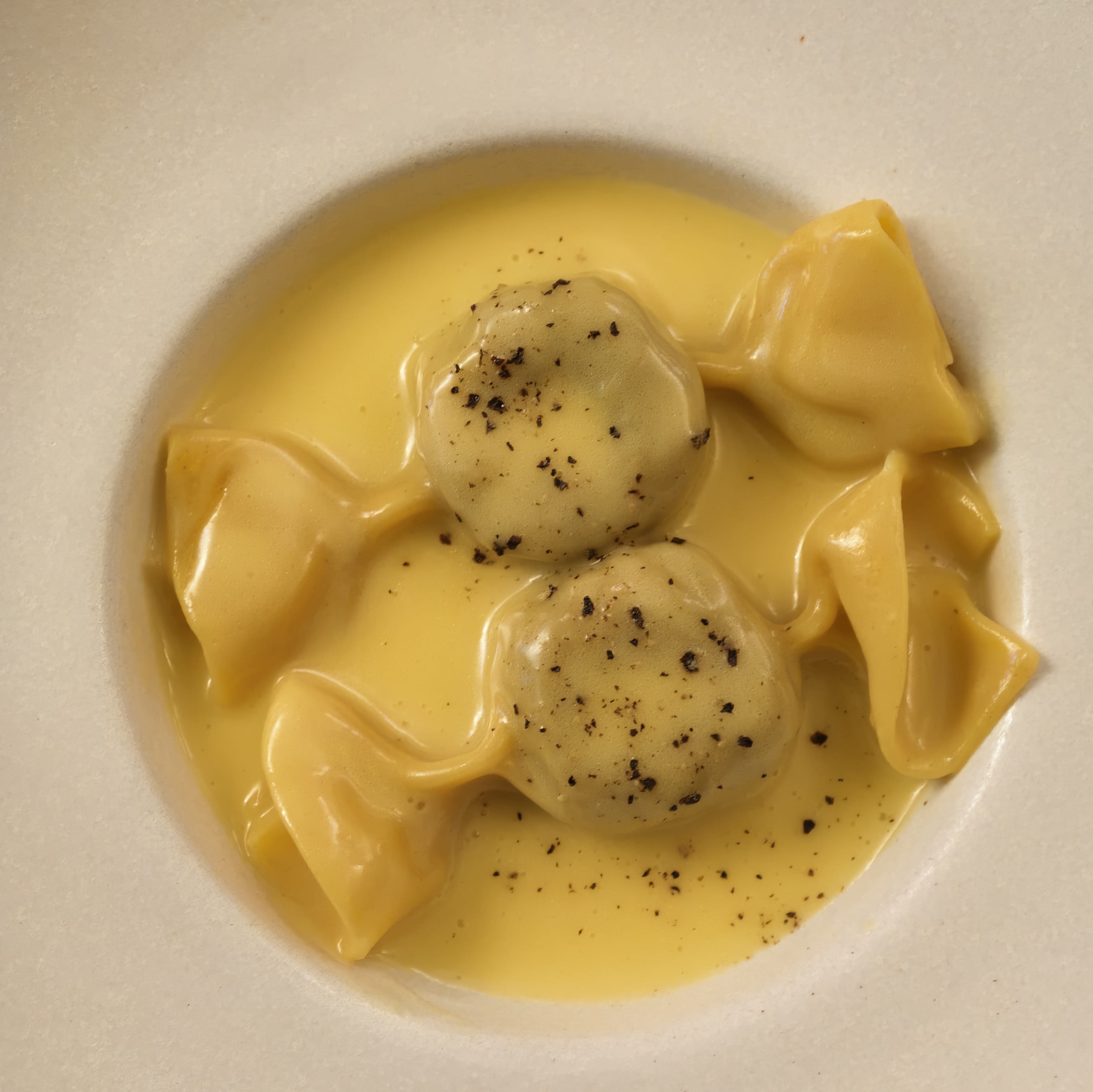
One of Baba’s signature dishes is the petit bonbon (53 PLN) – a mix of pasta, incredibly photogenic pierogi, and absolute brilliance. The secret to the dough is simple, but practically impossible for anyone else to replicate: 35 egg yolks per kilogram of flour give it an extraordinary texture, which is then highlighted by absolutely textbook al dente cooking.
The filling changes with the seasons; right now, it’s three kinds of mushrooms: fermented, dried, and fresh. Plus a mind-blowing butter-based sauce that you can – and should! – mop up with bread until the plate is spotless, scarpetta-style.
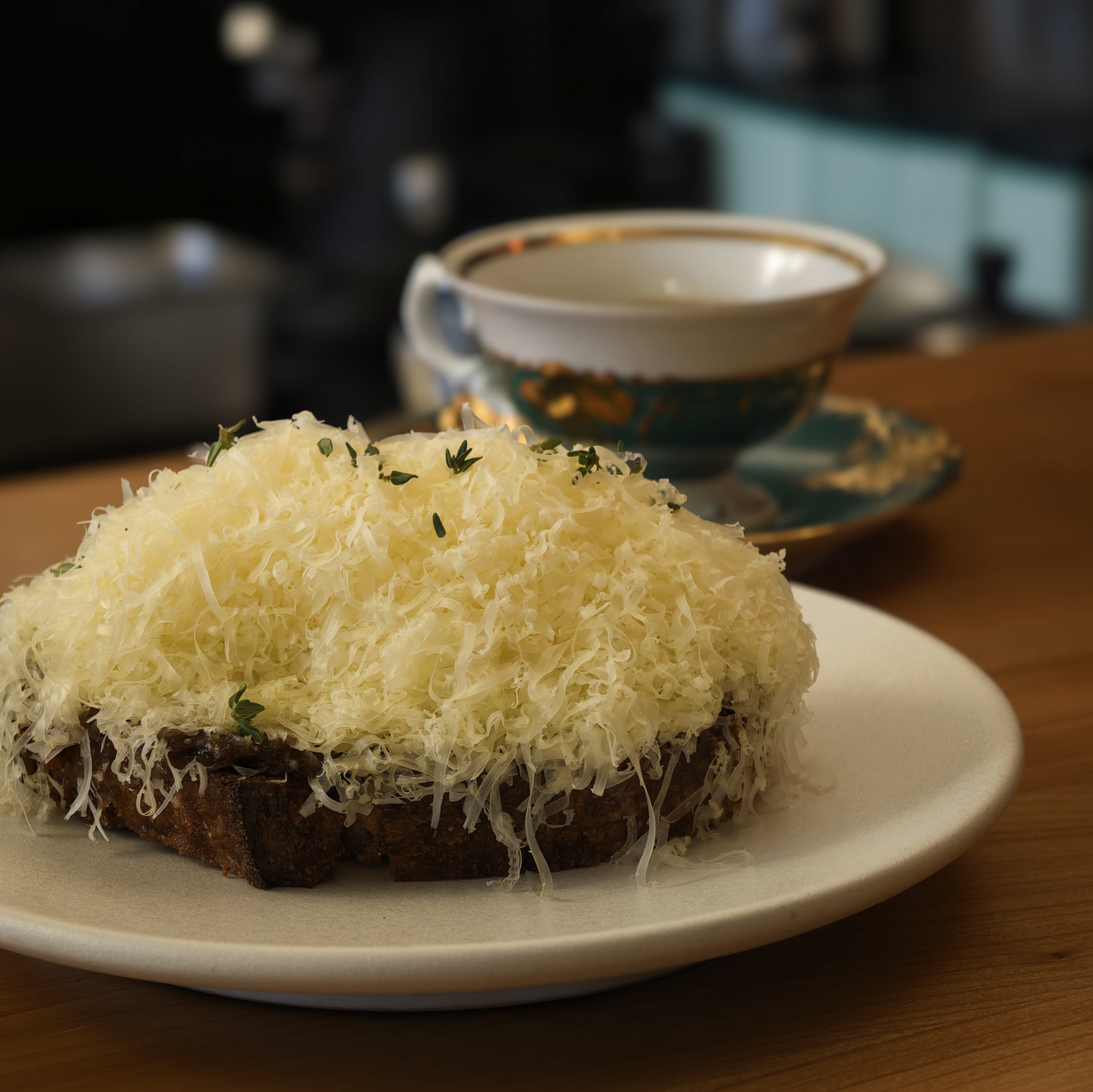
There’s also an upside-down onion soup (54 PLN), served as toast piled high with onions caramelised in sherry, topped with a huge layer of Polish Bursztyn cheese, with a separate broth made from dried mushrooms and burnt butter.
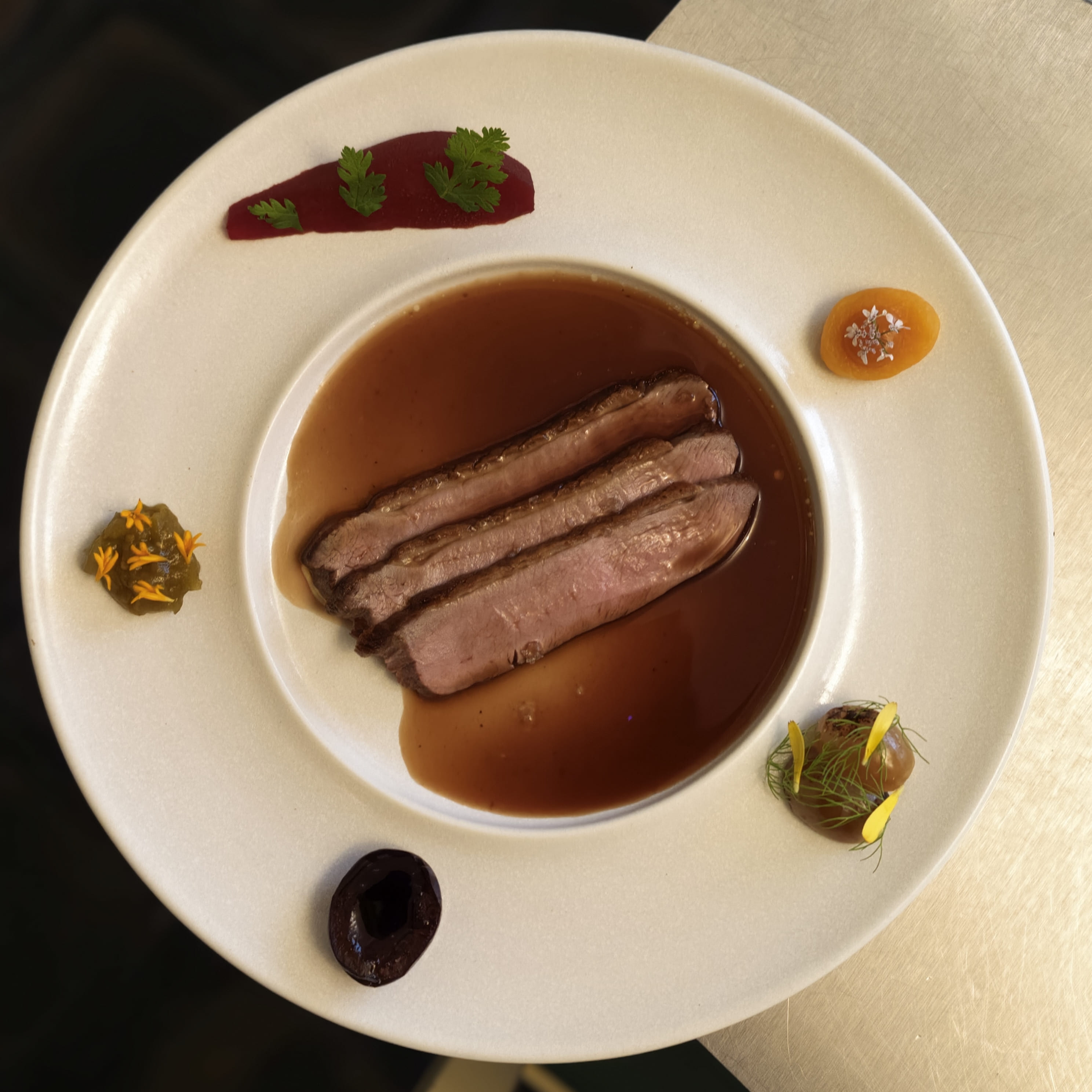
One of the biggest highlights on the menu is the duck with five Polish flavours (139 PLN). Naturally, they change from season to season, but right now they are pear, dried peach, fermented grapes, plum, and unripe green tomato chutney. And yes, every bite of duck tastes completely different depending on which accompaniment you pair it with.
All of this makes Baba more than just a neo-bistro – it’s an important milestone in the development of modern Polish gastronomy.
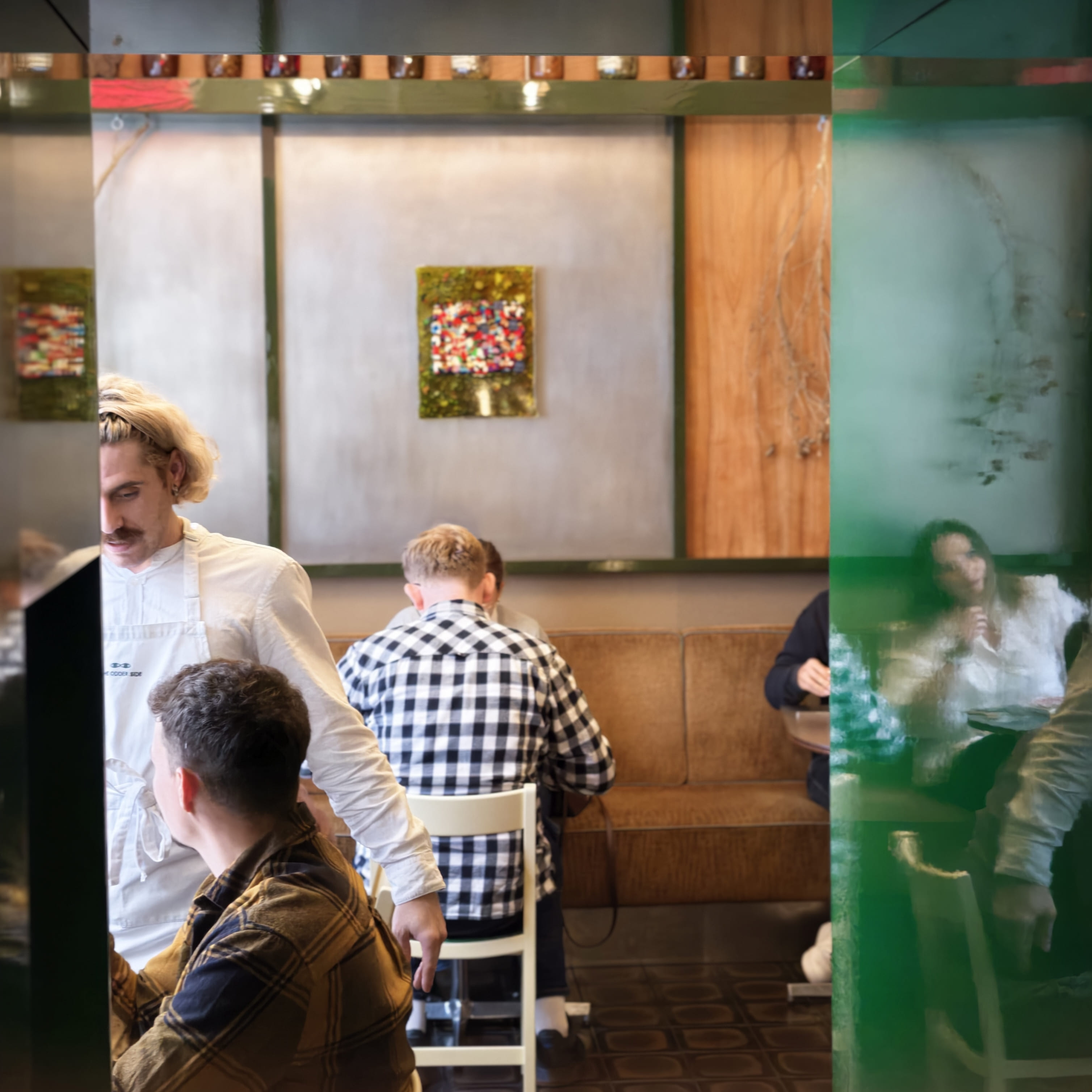
It shows how interesting, intelligently prepared food can be accessible without costing a fortune. How an experience approaching fine dining in terms of ingredients and technique can unfold in a relaxed setting, with Damon Albarn playing through the speakers. And how a menu can offer brilliant dishes you’d happily drop in two or three times a week, rather than once every couple of months, as is often the case with tasting menus.
This tiny place – and, of course, Beata Śniechowska – has done something truly important for the country: shown that nothing is impossible, really. You just have to believe in what you do and never stop.



Get weekly updates
*We’ll never share your details.
Follow us — @biteme.warsaw


Join Our Newsletter
Get a weekly selection of curated articles from our editorial team.